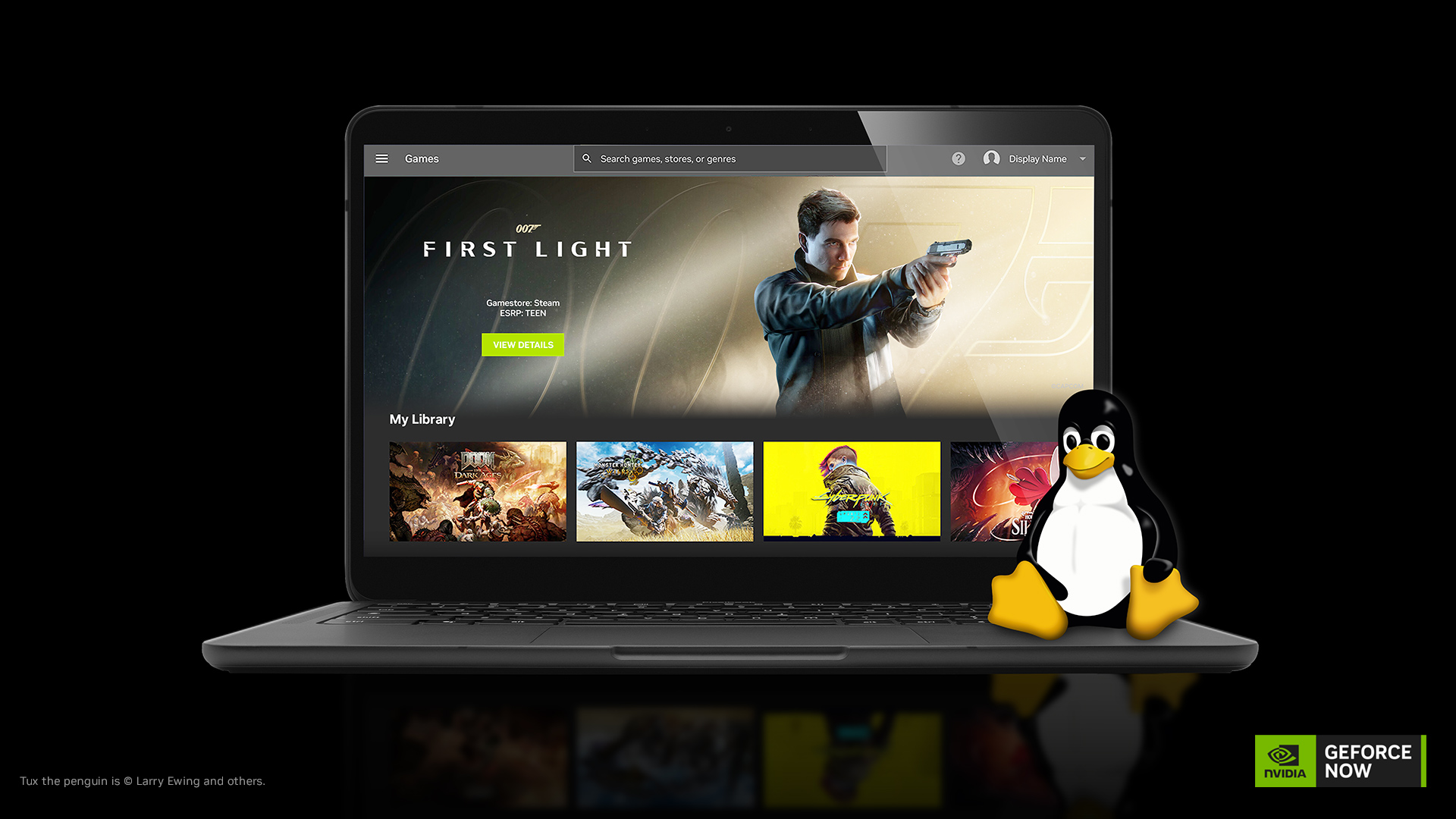
GeForce NOW Linux App Leaves Beta, Adds Cloud Optimizations
NVIDIA's GeForce NOW cloud gaming service has officially released its native Linux app out of beta. The update includes new cloud optimizations for more responsive Frame Generation while streaming, and Performance members will see higher frame rates. The timing aligns with back-to-school season, benefiting Linux and Chromebook users.
Sources and evidence
Summary last validated Aug 16, 2026
Reader actions
Report an issue
Use this for an incorrect summary, wrong source, duplicate story, or wrong category. Submissions are private and do not change the story automatically.
Related coverage
- industry
MIT center director Rakhlin shares considerations on AI in academia
MIT Statistics and Data Science Center Director Alexander (Sasha) Rakhlin shares important considerations for departments and institutions regarding the best path forward for AI in academia, in an MIT News Q&A.
- agents
NVIDIA Highlights Developers Using Frontier AI Agents With Omniverse Libraries
NVIDIA published a blog post describing how developers combine frontier AI models with NVIDIA Omniverse libraries to build simulation applications. The post says developers direct AI agents to assemble assets, connect physics and rendering, and verify scene behavior, supporting work such as exploring scenarios, investigating failures and improving designs.
- open source
NVIDIA Details Five-Step Workflow for SimReady Robotics Assets
NVIDIA published a five-step workflow for converting CAD assets into SimReady robotics simulation assets using Omniverse libraries, SimReady Foundation specifications, and agentic NVIDIA skills. The process covers configuring and validating materials, collision geometry, joints, and physics properties beyond simple OpenUSD geometry conversion, preparing assets before robot behavior testing.
- agents
NVIDIA KGMON Team Places Second in KDD Cup 2026 Data Agents Competition
NVIDIA's KGMON team placed second in the KDD Cup 2026 Data Agents competition. The team built a system around making an agent's harness smaller, clearer, and easier to verify. The competition required agents to answer natural-language questions across heterogeneous sources including databases, CSV and JSON files, prose documents, PDFs, and briefing videos.
- industry
MLCommons publishes business guide to measuring and managing AI risk
MLCommons released a guide titled "Assessing & Managing AI Risk for Business and Commercial Deployments," aimed at business owners. It argues teams managing AI risk face tension between protecting the business and adopting AI faster, and that independent measurement can reconcile the two. The guide frames AI risk as a cost that can be measured, priced, and managed.