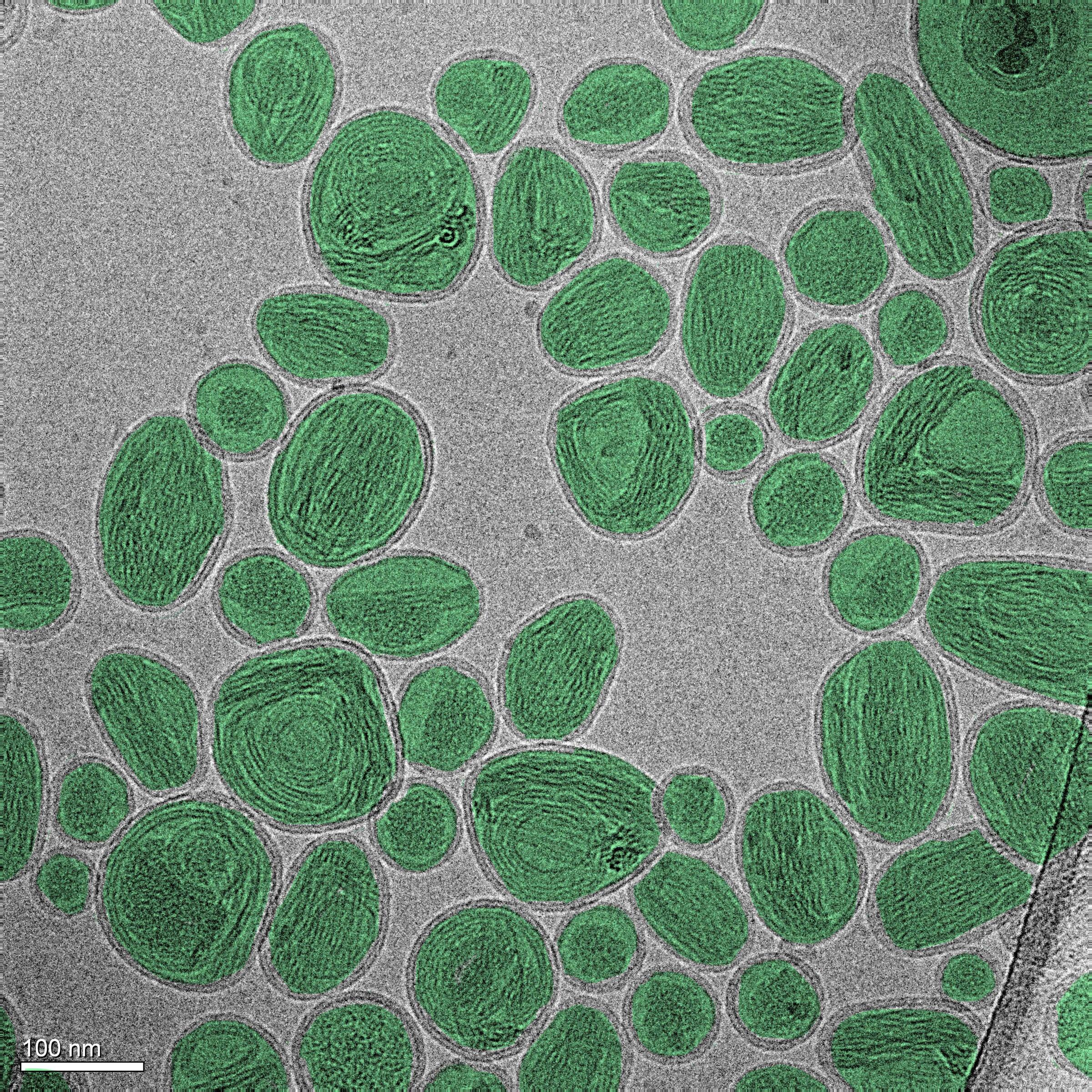
NIST Researchers Fix Common Nanotech Measurement Error
NIST researchers have corrected a common error that confounds nanotech measurements. They offer a practical solution that accounts for measurement errors before testing materials or developing products, improving accuracy in nanotechnology research and development.
Sources and evidence
Summary last validated Aug 27, 2026
Reader actions
Report an issue
Use this for an incorrect summary, wrong source, duplicate story, or wrong category. Submissions are private and do not change the story automatically.
Related coverage
- research
Ai2 presents Olmo Hybrid, Asta, and Bolmo at COLM 2026
Ai2 attended COLM 2026 to present its work on open language models, training infrastructure, and AI for science. The organization highlighted Olmo Hybrid, Asta, and Bolmo, and connected with the broader research community at the conference.
- policy
NIST Joins White House Effort to Drive 'A New Golden Age of Science'
NIST announced it is joining a White House effort aimed at driving what is described as 'A New Golden Age of Science.' The agency said that as the nation's lead agency for measurement science and standards, it is uniquely positioned to bridge the distance between fundamental discovery and industrial capability.
- research
NIST Study Maps How Toxic Adulterants in Fentanyl Vary Across US
NIST researchers analyzed fentanyl samples nationwide and found that the toxic substances mixed into the drug vary by region and shift over time. The study aims to help first responders and law enforcement identify dangerous adulterants in local supplies, which the agency says can help save lives.
- research
Apple Introduces Normalizing Trajectory Models for Few-Step Generation
Apple researchers introduced Normalizing Trajectory Models (NTM), which model each reverse diffusion step as an expressive conditional normalizing flow with exact likelihood training. NTM combines shallow invertible blocks per step with a deep parallel architecture, addressing few-step generation without sacrificing the likelihood framework that distillation, consistency training, or adversarial methods discard.
- research
NVIDIA teaches robots to assemble GB300 tester trays
NVIDIA describes how it taught robots to assemble tester trays for its Grace Blackwell GB300 superchip, which powers AI training and inference. The work required skilled physical labor in factories worldwide. NVIDIA says the project offered lessons in robot learning, mechanical intelligence, and traditional engineering.