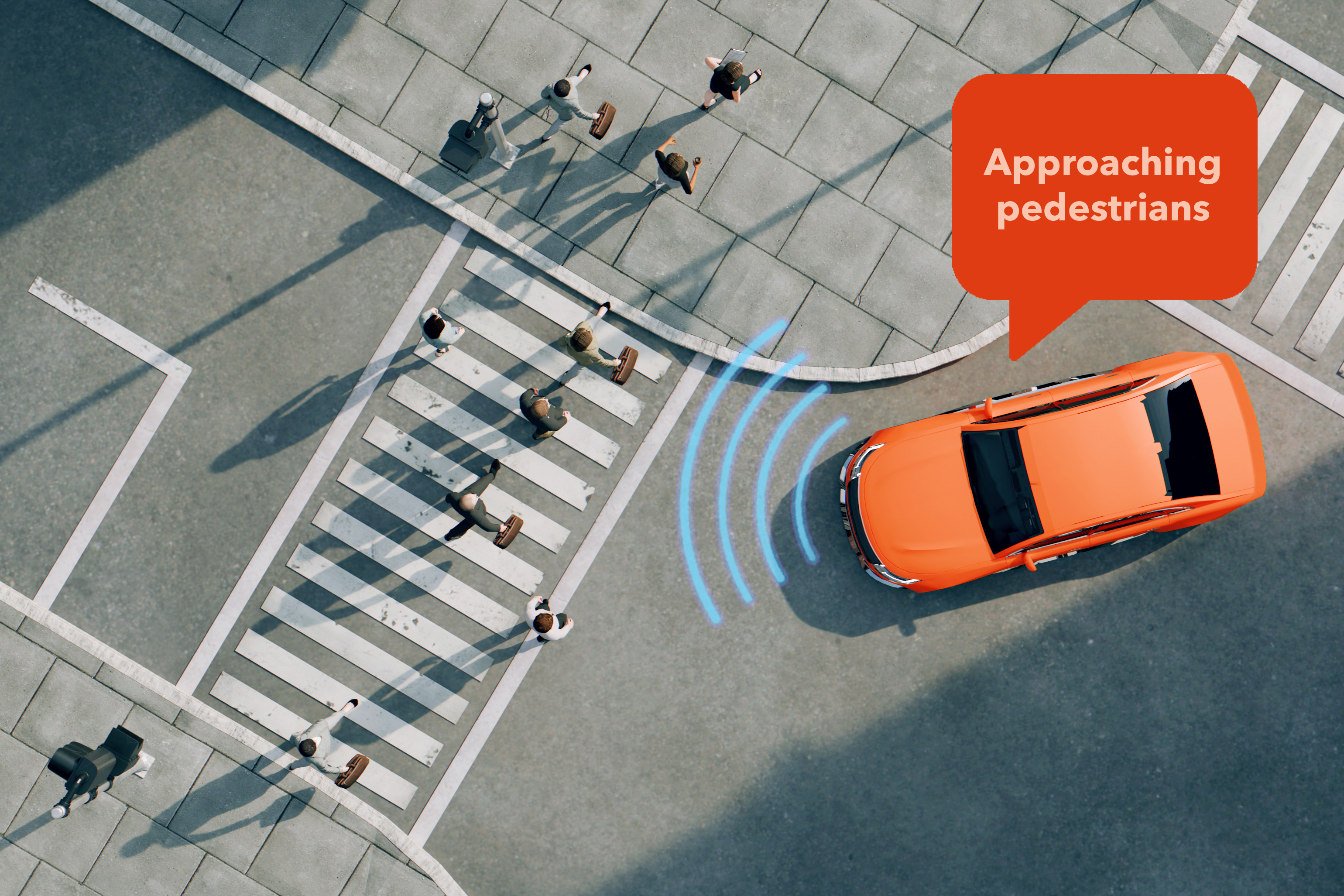
MIT's CW-Net Helps Humans Predict Self-Driving Car Errors
MIT researchers developed CW-Net, a method that translates an autonomous vehicle's AI reasoning into understandable concepts, enabling humans to predict when the self-driving system will make mistakes.
Sources and evidence
Summary last validated Sep 2, 2026
Reader actions
Report an issue
Use this for an incorrect summary, wrong source, duplicate story, or wrong category. Submissions are private and do not change the story automatically.
Related coverage
- industry
MIT center director Rakhlin shares considerations on AI in academia
MIT Statistics and Data Science Center Director Alexander (Sasha) Rakhlin shares important considerations for departments and institutions regarding the best path forward for AI in academia, in an MIT News Q&A.
- research
NIST Study Maps How Toxic Adulterants in Fentanyl Vary Across US
NIST researchers analyzed fentanyl samples nationwide and found that the toxic substances mixed into the drug vary by region and shift over time. The study aims to help first responders and law enforcement identify dangerous adulterants in local supplies, which the agency says can help save lives.
- infrastructure
MIT's Christina Delimitrou targets data center energy efficiency
MIT Associate Professor Christina Delimitrou is rethinking how large cloud computing systems operate to reduce the environmental impact of data centers. Her work focuses on making these facilities more energy efficient as their environmental threat grows.
- industry
MIT Concourse program explores humanistic inquiry
MIT's Concourse program engages students in deep study of the human condition, debate over challenging questions, and developing judgment about issues that cannot be quantified.
- research
NVIDIA teaches robots to assemble GB300 tester trays
NVIDIA describes how it taught robots to assemble tester trays for its Grace Blackwell GB300 superchip, which powers AI training and inference. The work required skilled physical labor in factories worldwide. NVIDIA says the project offered lessons in robot learning, mechanical intelligence, and traditional engineering.